
Notes from the Field: Kenya Edition
Nairobi to Lamu, and every extraordinary stop in between.
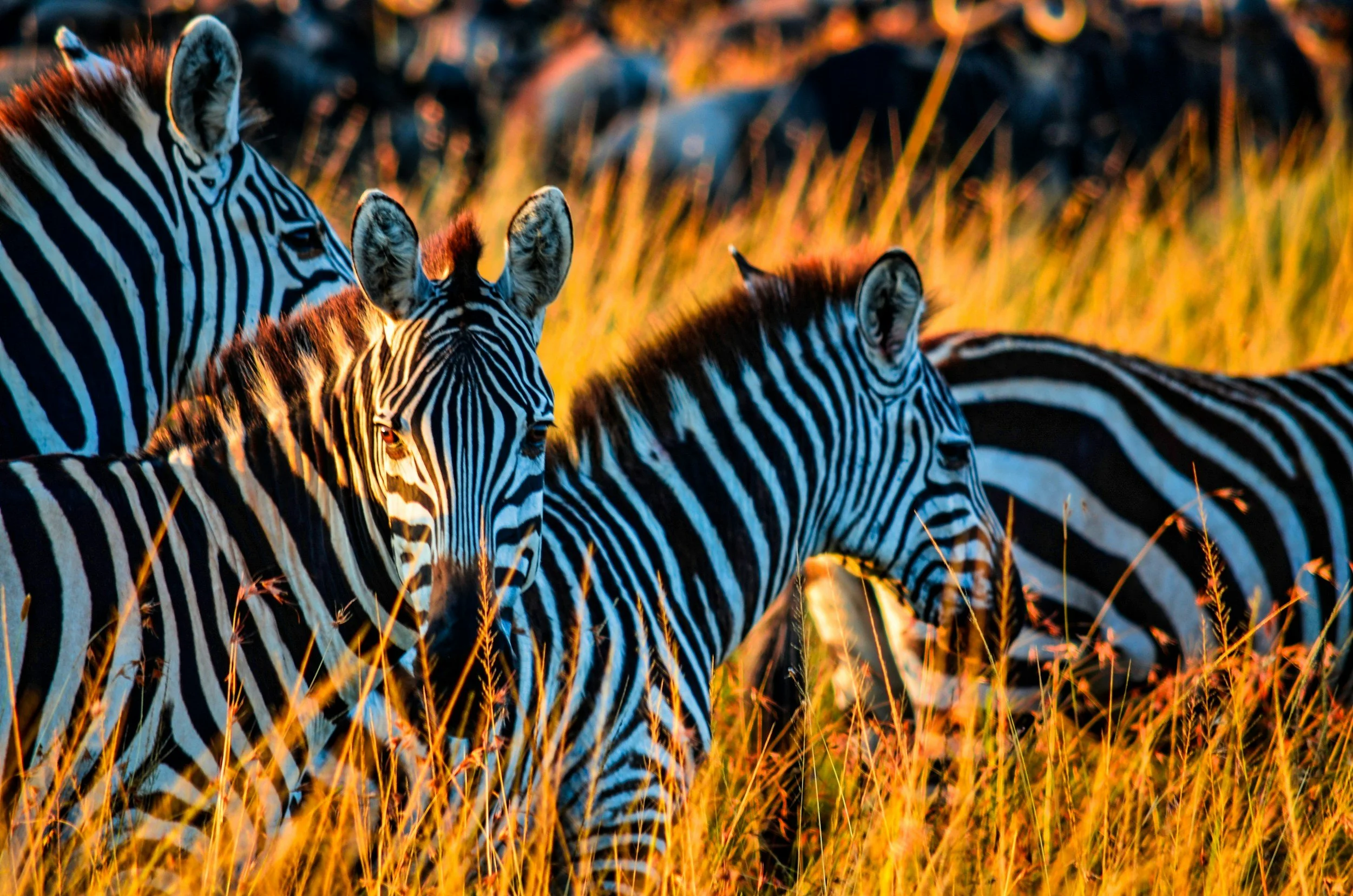
MavenLuxe founder and advisor, Grace, has been to Africa more times than she can count. On her latest trip, she worked her way across Kenya – from the wildlife conservancies of the north to the island of Lamu on the coast – staying at some of the country's finest properties along the way. Here's everything she wants you to know.
Start in Nairobi
Most travelers treat Nairobi as a layover on the way to the bush. Give it a night or two instead – it's worth your full attention.
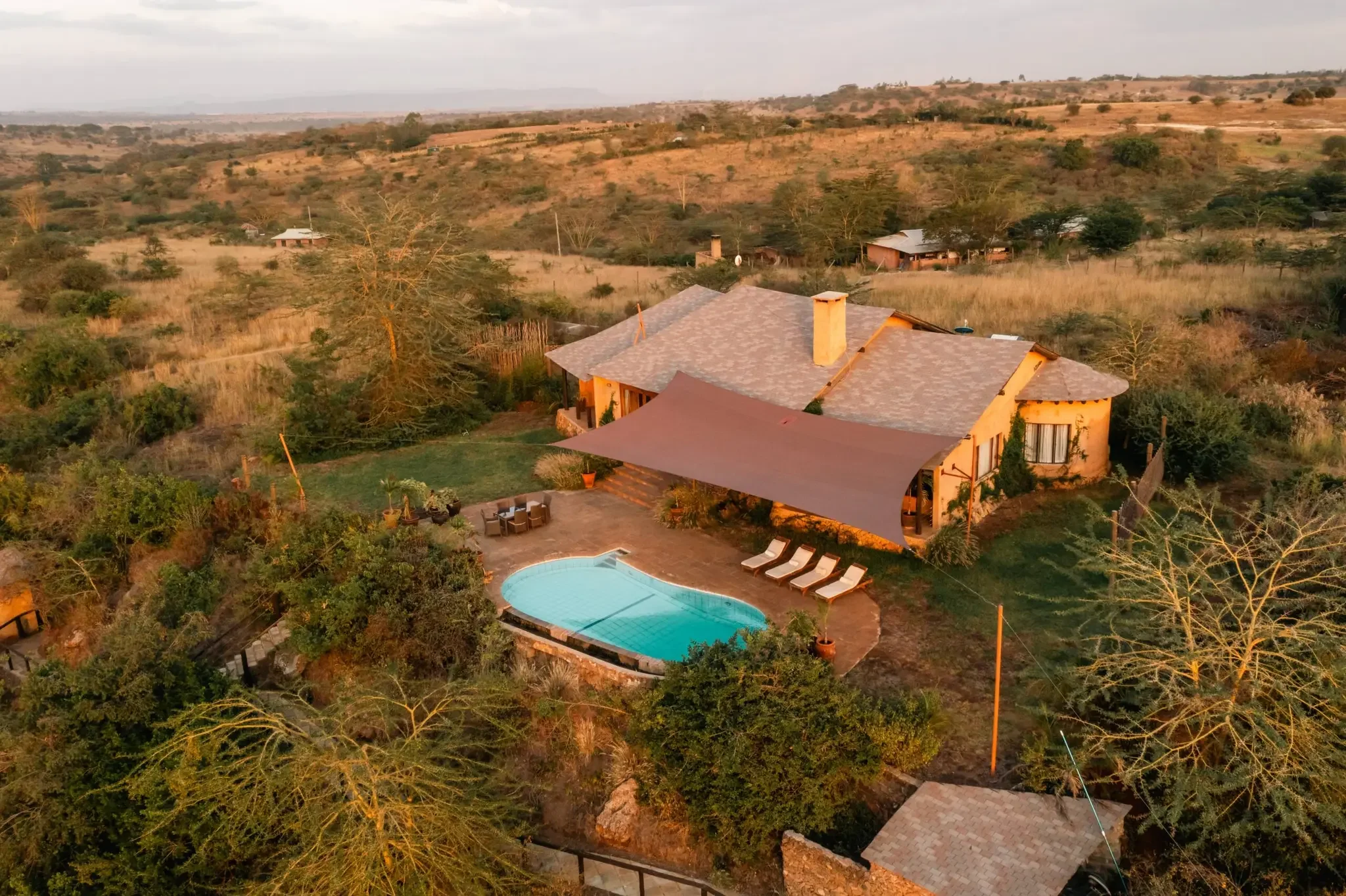
Photo Credit: The Emakoko
Tucked inside Nairobi National Park, The Emakoko sits just twenty minutes from the airport but feels fully in the wild – a soft landing after a long journey. The food rivals anything you'd find at a top city restaurant, and the whole experience is one of the loveliest ways to ease into a Kenya itinerary.
A few other Nairobi properties worth noting:
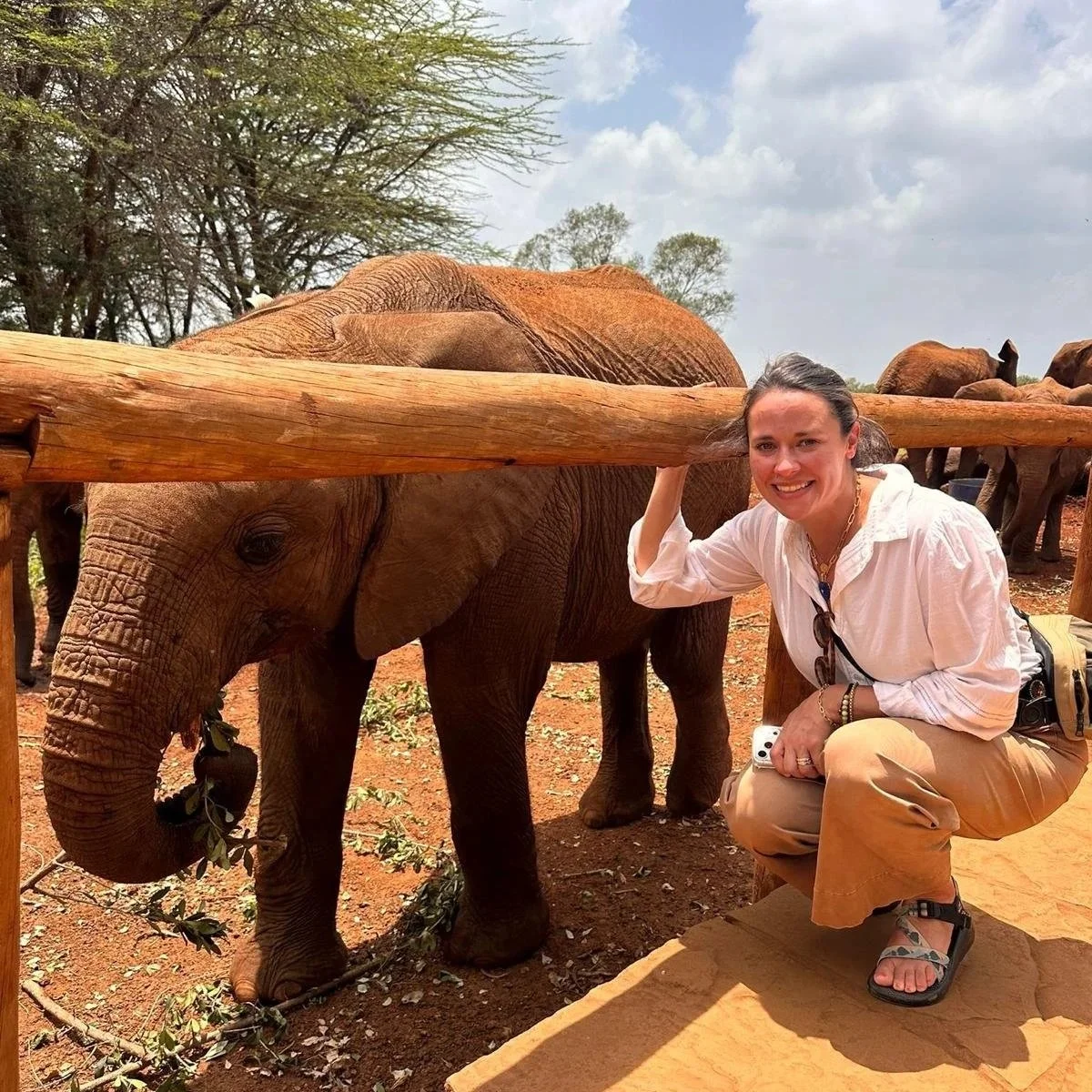
Few wildlife encounters anywhere in the world compare to a morning at the Sheldrick Trust. One of the most respected conservation organizations on the continent, Sheldrick has spent decades rescuing and rehabilitating orphaned elephants and other abandoned wildlife — and a visit puts you right at the heart of that work.
There are two ways to go. The daily group visit at 11 am welcomes up to 100 people; the private afternoon visit is a different thing entirely – quiet, intimate, and one-on-one with the keepers. These slots are precious, so plan ahead: Grace recommends booking 12 to 18 months in advance. While you're in the area, a quick stop at the Giraffe Center to meet the resident Rothschild giraffes is well worth it.
Nairobi Shopping
Don't head into the bush without doing a little shopping first. Between beaded jewelry, rich textiles, and beautiful bronze work, Nairobi's markets deliver. A few of Grace's favorites:
Lewa: Where Rhinos Rule
Lewa House is situated within one of Africa’s most significant conservation areas: Lewa Wildlife Conservancy, a World Heritage Site that protects 14% of Kenya’s black rhino population. For anyone with a passion for conservation, this is a non-negotiable stop. Lewa is also home to the Northern Five – Grévy's zebra, reticulated giraffe, Beisa oryx, gerenuk, and Somali ostrich – which you won’t find in more southern areas of Africa.
Lewa House is family-owned and operated, and you feel the warmth from the moment you arrive. Guests are greeted by the owners and their family pups, and ushered into a lodge that quickly feels like home. The Earth Pods are an architectural statement in their own right: built to disappear into the landscape, passively cooled, and home to some of the most beautiful bathrooms you'll find on safari.
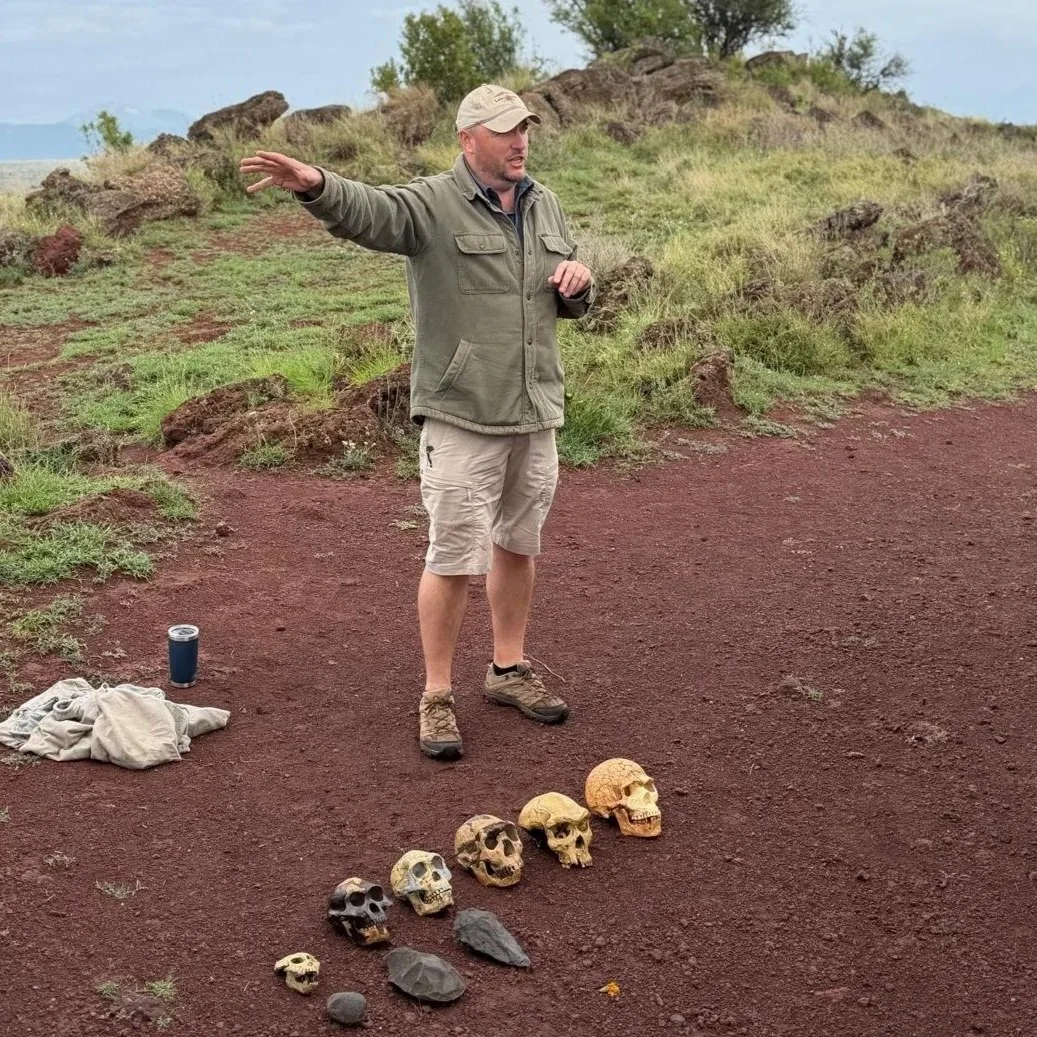
One of the owner's quieter passions surfaces in one of the property's most unique activities: The Rock Talk. Over an hour or two out on the land, Calum walks guests through the story of human evolution – and the remarkable artifacts that have been found right there on his land.
Samburu: Go North. You Won’t Regret It
The Samburu region in northern Kenya gets far less attention than the Mara, which is exactly why we love sending people there.
Grace stayed at three of the Sarara properties in this area — Sarara Wilderness, Sarara Treehouse, and Reteti House — and visited a fourth, Sarara Camp. Each lodge has it’s own distinct selling points, but one of Grace’s favorite features were the natural rock slides at Sarara Camp, which send guests gliding down into a spring-fed pool at the bottom. It's every bit as fun as it sounds, and a hit with kids and families.
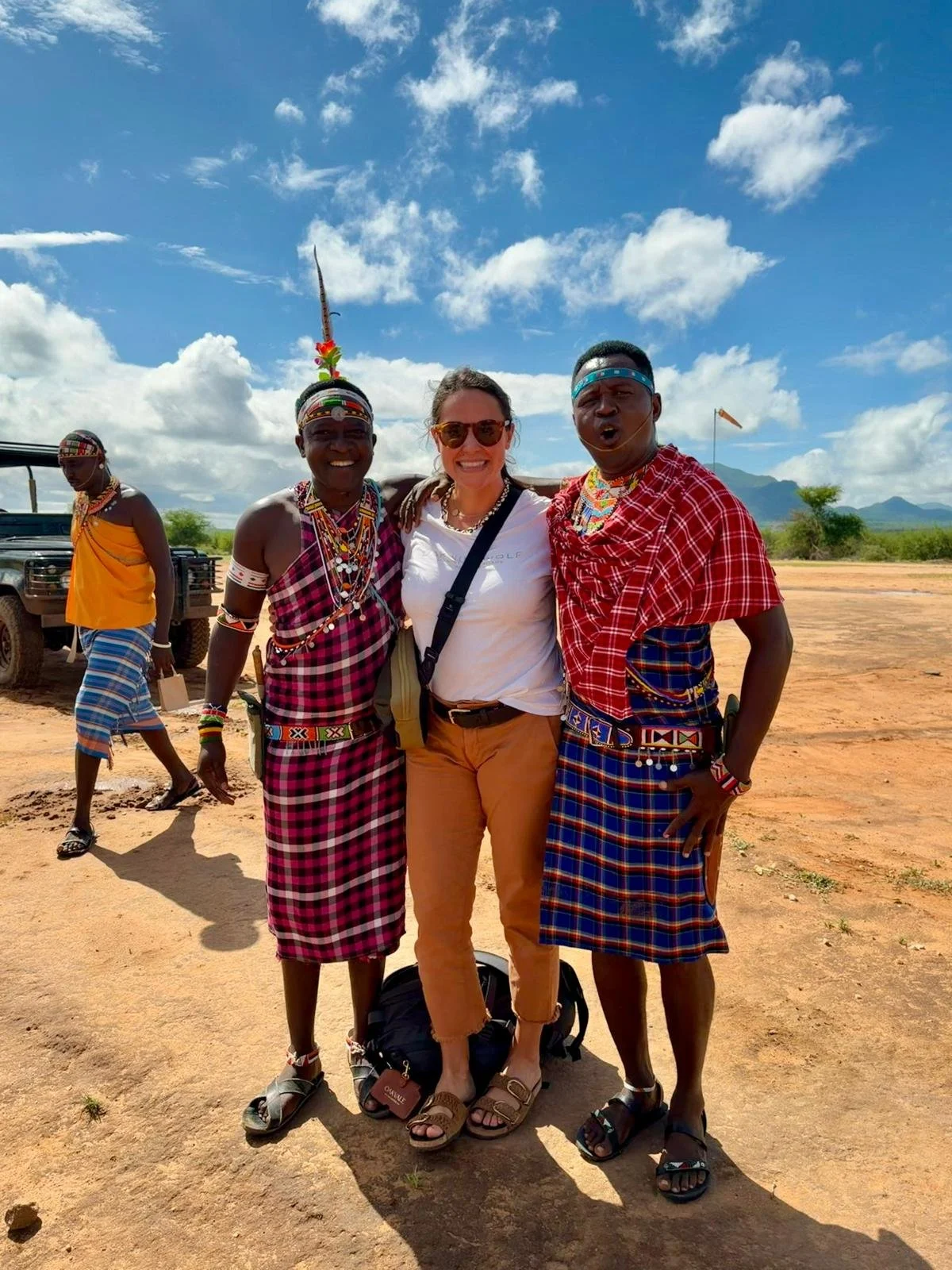
But the real draw in Samburu is the culture. The Samburu people are warm and generous, and they hold fast to their traditions. They are excited to share their culture with visitors, making cultural interactions here feel authentic and genuine.
Grace also took part in a beading class with local community members and spent time with a blacksmith warrior who walked her through the cultural significance behind each piece he creates and demonstrated how it’s done by hand: melting aluminum until it was liquid, scoring a line in the sand mold, pouring the molten metal into the groove, shaping it, and hammering it flat. A truly unforgettable experience.
Reteti Elephant Sanctuary
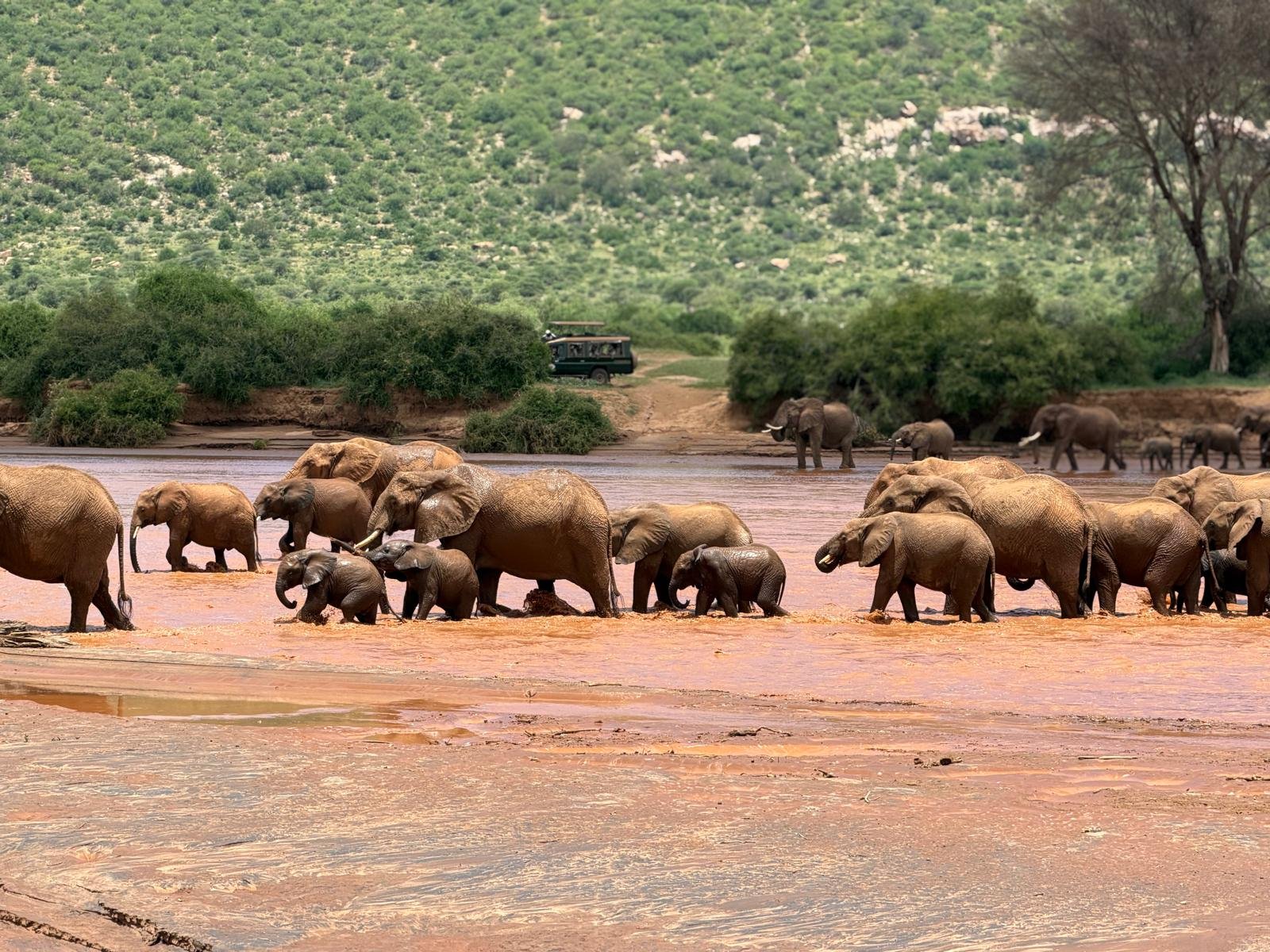
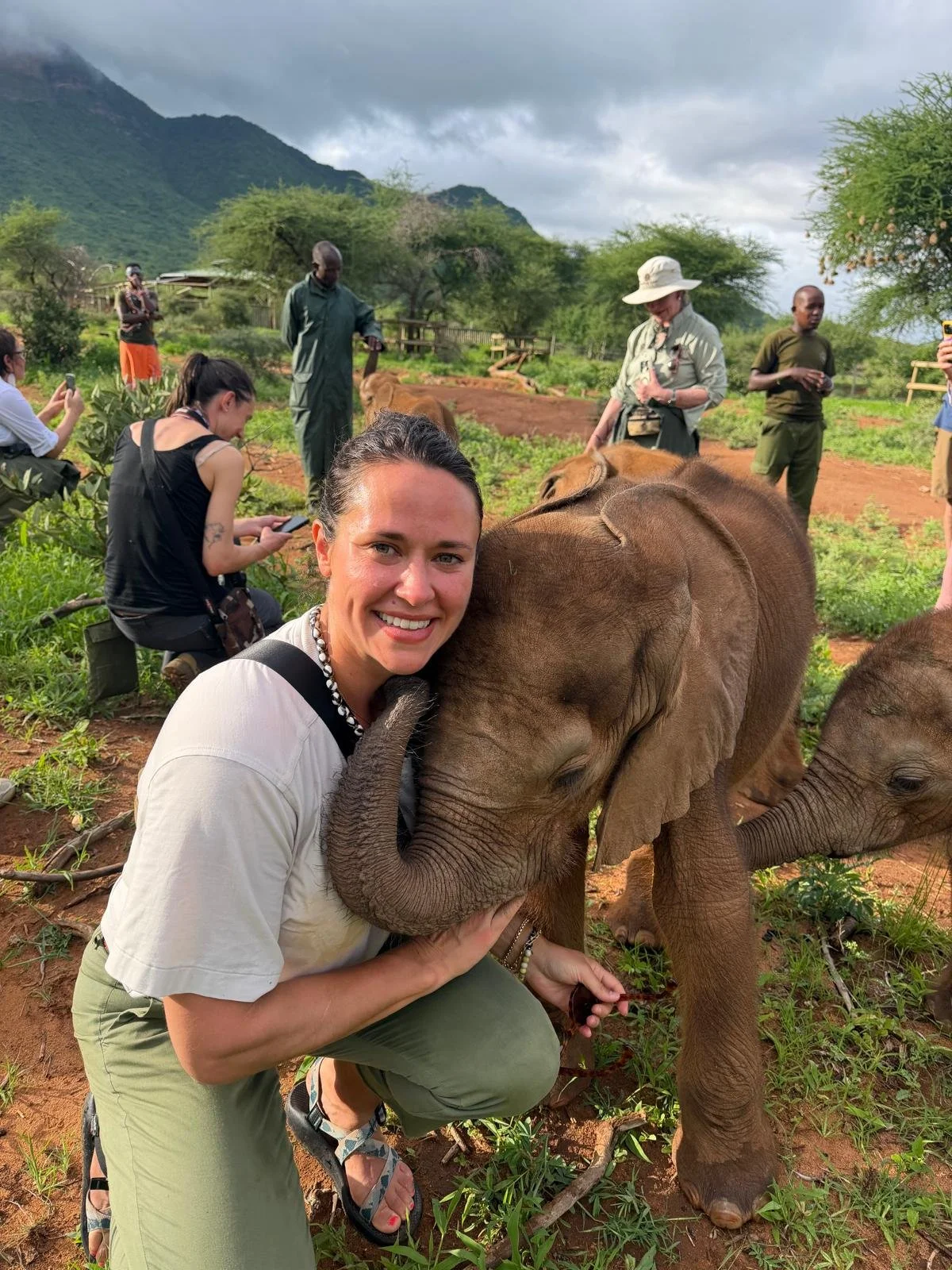
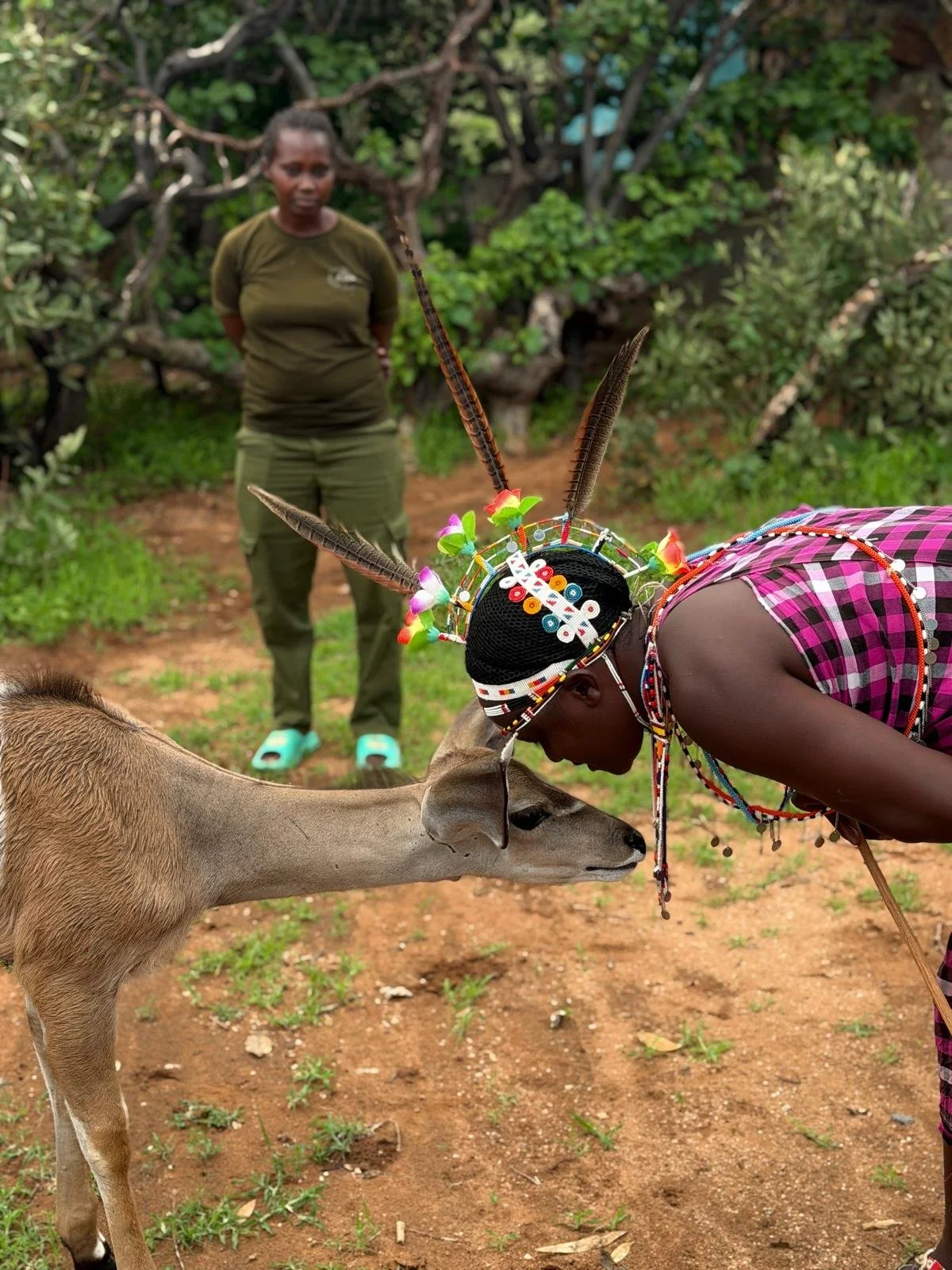
The Reteti Sanctuary was built on something the Samburu people have long understood: that protecting wildlife offers a genuine opportunity to improve livelihoods. The sanctuary sits at the heart of a growing grassroots conservation movement across northern Kenya, one that is building new economies, improving lives, and safeguarding natural resources. At its core, Reteti rescues and rehabilitates orphaned elephants (and other wildlife) from across the region. Samburu warriors have always tried to help orphaned calves, but without support, few survived. Today, those same warriors are able to collaborate with the Reteti Sanctuary to ensure that orphaned animals are brought in safely — and the story of how that care evolved is worth telling.
Before COVID, Reteti raised its orphaned elephants on baby formula imported from the US. When supply chains collapsed, and formula became impossible to get, the team at Reteti had a crisis on their hands. Instead of giving up, they looked closer to home: someone suggested sourcing goat's milk from local farmers, and everything changed.
They tested out the goat’s milk theory first on a calf named Long'uro, who'd fallen into a well and been attacked by hyenas. Left with a shortened trunk, Long’uro had been all but written off by the vets. The team fortified the goat's milk and began feeding him slowly. Today, he's a thriving member of the Reteti herd (and probably the most beloved of all). Despite losing most of his trunk and the sight in his left eye, and he's pulled through anyway — there's no better symbol of what this place can do.
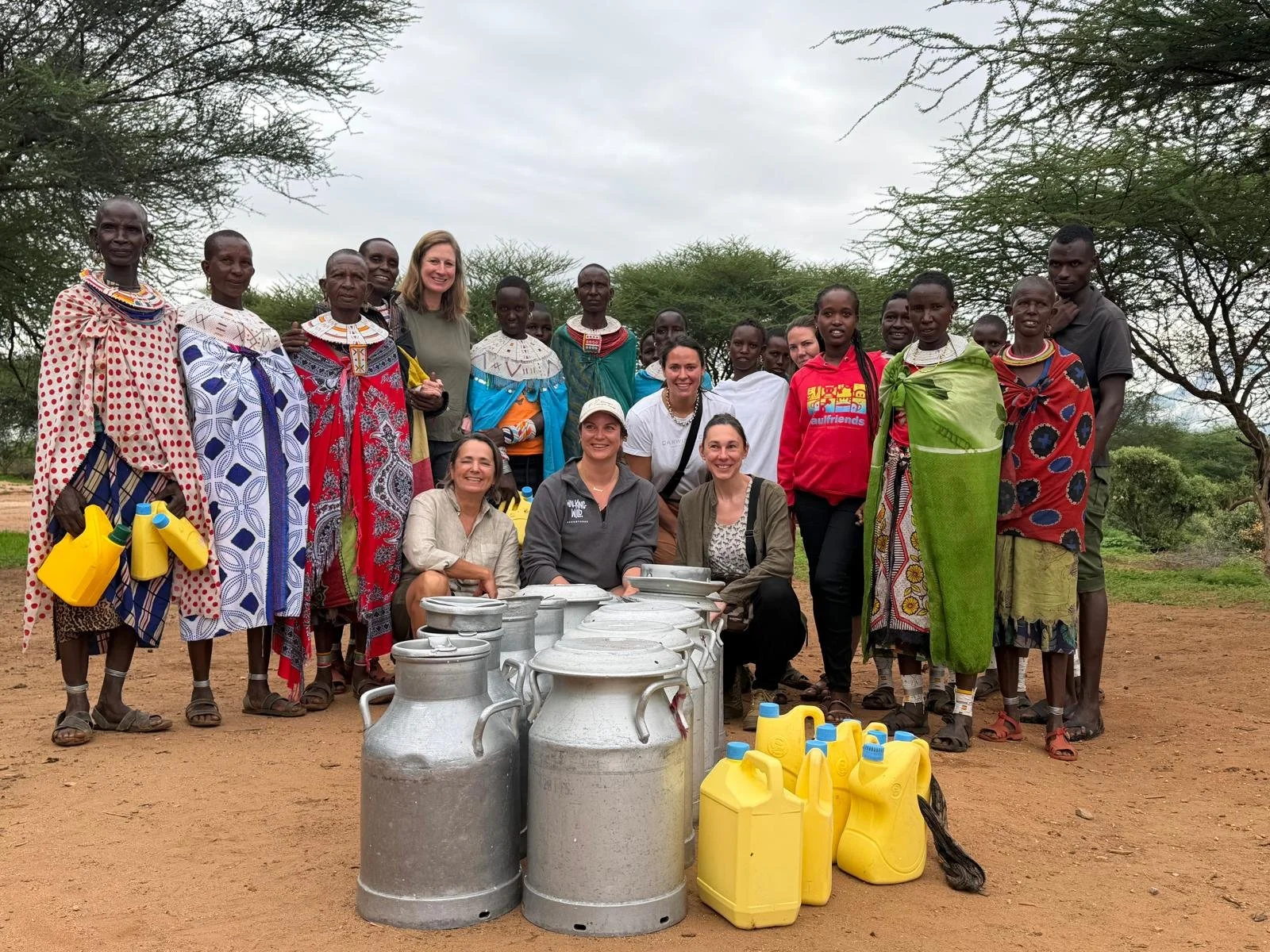
Since then, Reteti has transitioned entirely to locally sourced goat milk for their elephants, and camel’s milk for the other resident orphans. Every morning, Samburu women bring their milk to a collection point, and are paid for what they contribute at the end of each month. While, the Samburu livestock may belong to the men, the milk belongs to the women — and that single shift has created direct income for more than 1,000 Samburu women.
When you visit Reteti, you’re supporting something that goes beyond conservation – it’s an economy and a community built around the animals.
Ol Malo: The Adventure Property
If you want to do a bit of everything, this is the place. Ol Malo is a family-owned lodge with real character — they'll meet you at the airstrip with all of the family dogs, riding in safari vehicles fitted with rooftop seats. Once you arrive on property, there's a bush bar out on the land stocked with their own home brews.
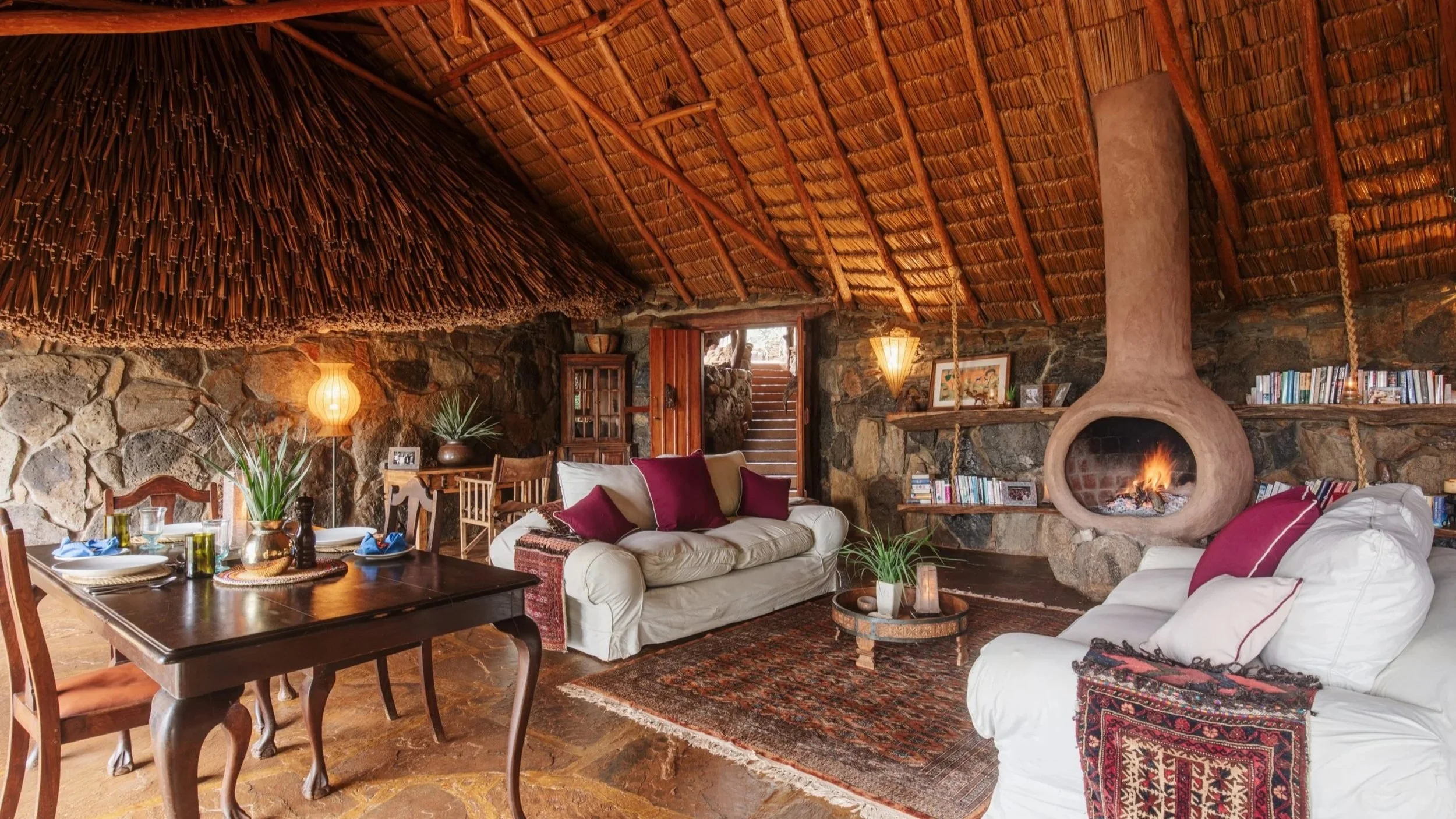
Photo Credit: Ol Malo House
The real headline is their horsemanship program, led by Chylulu, who Grace describes as an incredible horsewoman. More than 30 horses (and some camels!) carry guests on game drives across a private conservancy where the animals have become habituated to their presence!
The helicopter experiences are, in Grace’s words, the best she’s had across all of Africa. Their beautiful aircraft, exceptional pilots, and routes make it feel like a genuine adventure rather than a sightseeing add-on. Options range from a sundowner flight to multi-day expeditions, with fly fishing and treehouse sleepouts also available. Grace’s advice: build a heli experience into every Ol Malo stay.
You might even catch a glimpse of wild dogs — worth noting, since sightings are extraordinarily rare in this area.
Tangulia Mara: Big Cats, Big Heart
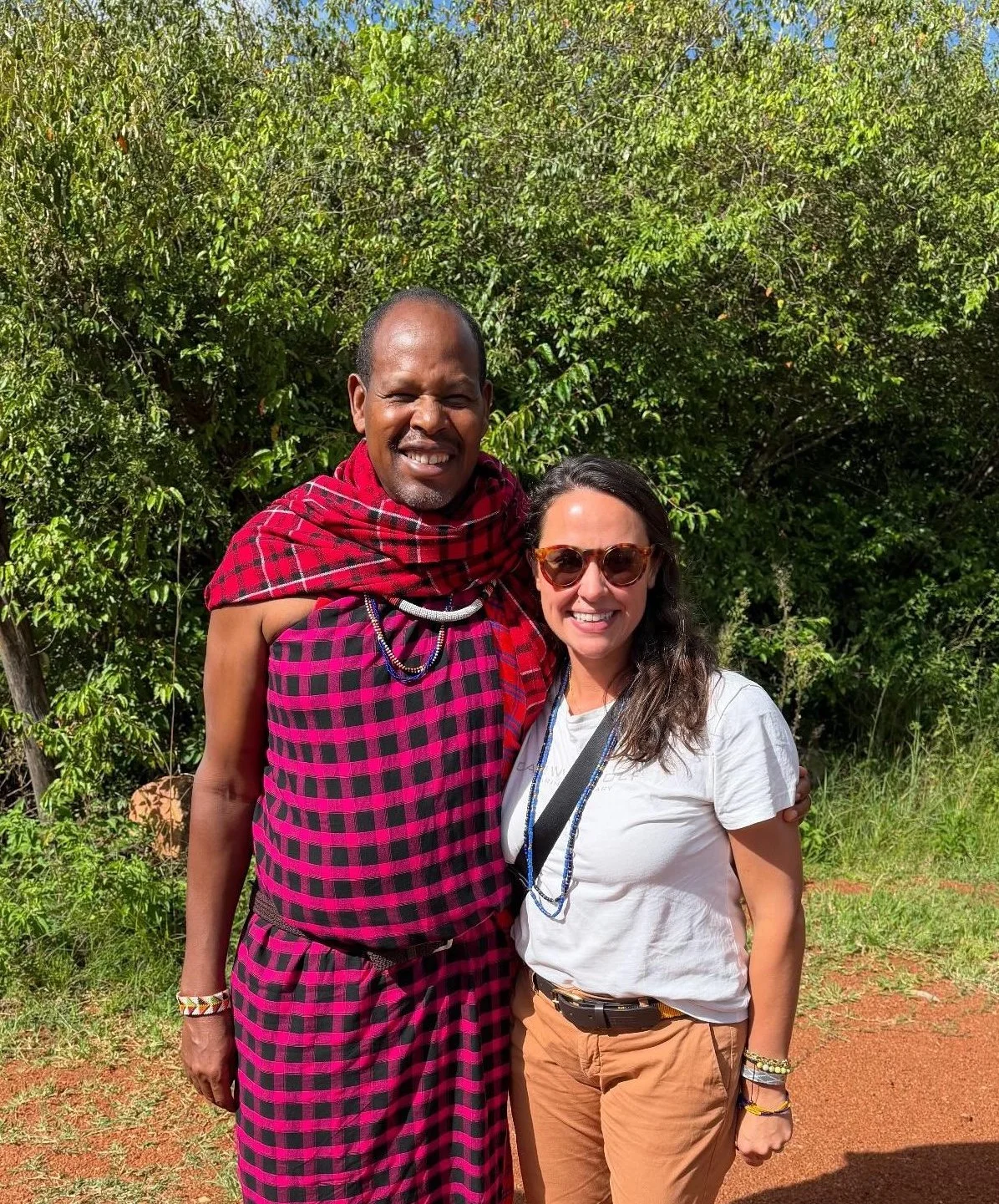
“It was an honor to be in the bush with him”
Grace with Jackson
Tangulia is one of the few Maasai-owned and operated lodges in Kenya, and that distinction shapes every aspect of the experience.
One of Tangulia’s founders, Jackson, was the first Maasai-trained guide in Kenya – a figure well-known across the country’s safari community, and someone whose guiding team reflects his standards and passion.
The property sits within a small private conservancy within the greater Mara ecosystem, offering guests exclusive bush breakfasts and sundowners that aren’t possible within the national park. The wildlife is incredibly diverse, and the big cat sightings are frequent.
If you've got your heart set on the migration but dread the crowds of peak season, this is Grace's pick. Between the conservancy's location and the caliber of the guiding team, you're seeing the Mara at its very best.
House in the Wild: The Rewild Retreat
Once a bean farm, House in the Wild is a second-generation rewilding project that has become one of the more quietly compelling properties in the Mara region. The current owners inherited the land from their parents and decided to pull the crops and let the land return to its natural state, creating an exceptional wildlife habitat. The animals here are incredibly relaxed, which makes for a different kind of experience.
The activities suit families of all ages: a morning on horseback, an afternoon exploring the Mara River by e-bike, and an evening unwinding at the spa. It's best for travelers who want privacy, wellness, and a sense of place that goes beyond the traditional safari. Not to even mention the stand out F&B here - truly some of the best in the bush!
Lamu: The Other Kenya
Grace’s trip wound down on the coast, in the warm waters of the Lamu Archipelago, aboard the NaiSabah – a 75-foot traditional dhow boat reimagined for private ocean exploration. Somehow, its tiny galley kitchen turned out the best food of her entire trip, and the crew brought a level of care that made the whole experience feel one-of-a-kind.
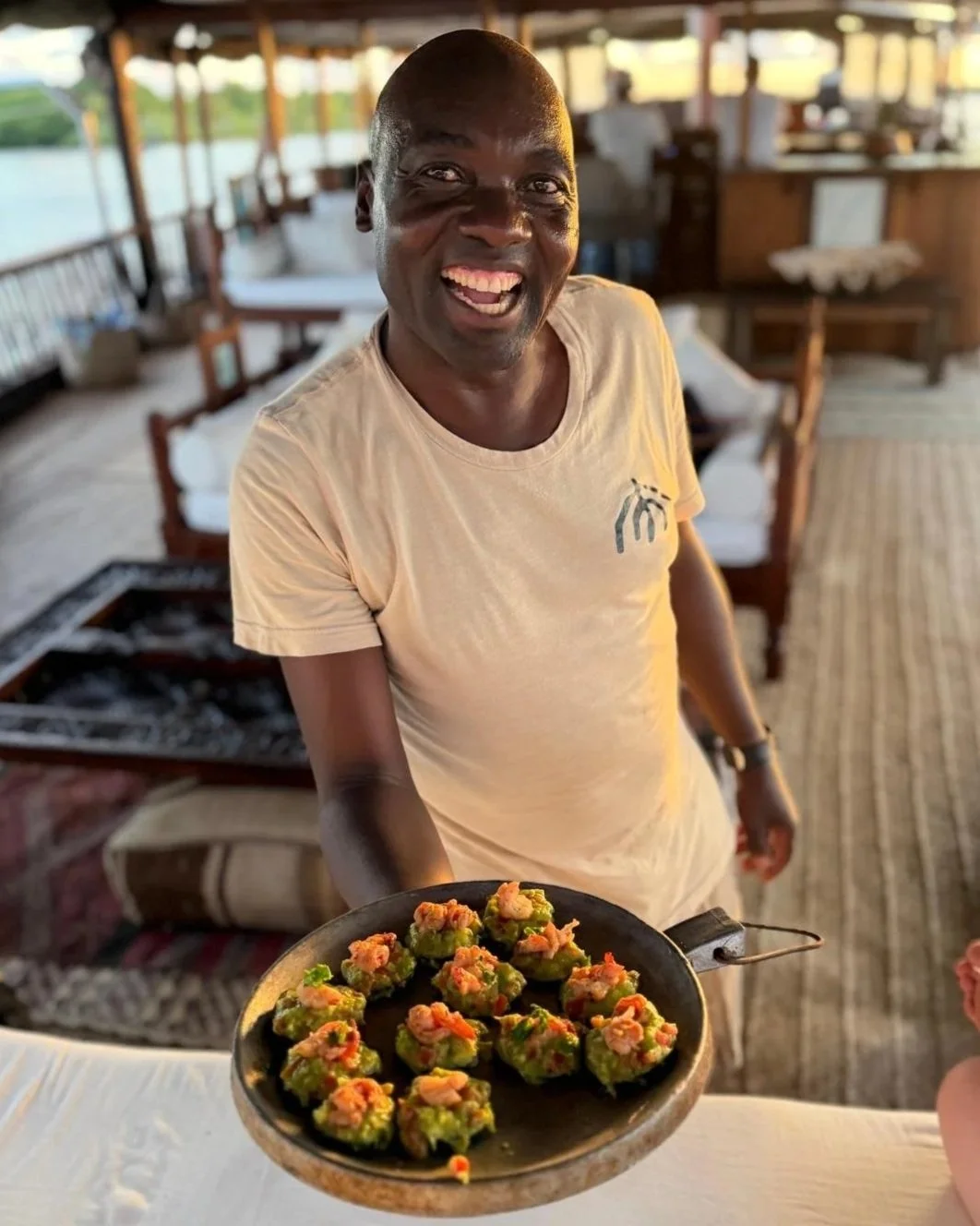
Lamu is a complete tonal shift from the bush, and that contrast is part of what makes it work so well as a finale.
The culture here is a world away from the Maasai and Samburu communities – predominantly Muslim, layered, and unlike anywhere else on the itinerary. If you want a water element alongside your safari, Lamu delivers: snorkeling, fishing, and days spent wandering a trading town that's stood for centuries. The shopping here offers one last opportunity to contribute to the local economy - and it doesn’t disappoint! Be sure to save extra space in your luggage for this stop.
Why Kenya
Grace has visited Kenya many times, and she keeps finding reasons to return. Part of it is the off-grid disconnect (spotty cell service, WiFi that comes and goes) and the fact that no two days on safari are ever the same, no matter how many times you’ve been. But mostly, she says, it’s for the people. Their warmth, and generosity are contagious, and you can’t help but mirror the deep care for their land and the communities built around it.
And then there's the impact your visit actually sets in motion. Tourism carries real weight in Kenya—perhaps more than in most places—and where you stay and who you travel with directly influences how much of that investment remains in local hands.
What makes Kenya so special is that many of its most extraordinary camps, conservancies, and experiences are owned and operated by the people who call this place home. They're also the same people doing the hard, daily work of protecting its wildlife, landscapes, and communities.
When you travel thoughtfully here, you're doing more than taking a vacation. You're helping sustain something that local people have built and continue to safeguard, while experiencing one of the last truly great travel adventures on the planet.